It can help, for some people. Matchmaking brings a human being into a process that swiping has made feel mechanical. A good matchmaker listens, screens, offers context and encourages people to think about what they truly want in a partner, which can make dating feel more intentional and less like shopping. But it is not a guarantee, it can be expensive, the industry is uneven, and meaning in a relationship still comes from what two people build together after the introduction.
Few people expected dating apps to leave anyone feeling lonely. Yet many users now describe the experience as tiring: endless profiles, brief conversations that fade, mismatched intentions and a nagging sense of being judged on a few photos. Against that background, an older idea, that someone who knows you could introduce you to someone worth meeting, is attracting fresh interest.
What is Matchmaking, and How is it Different from Dating Apps?
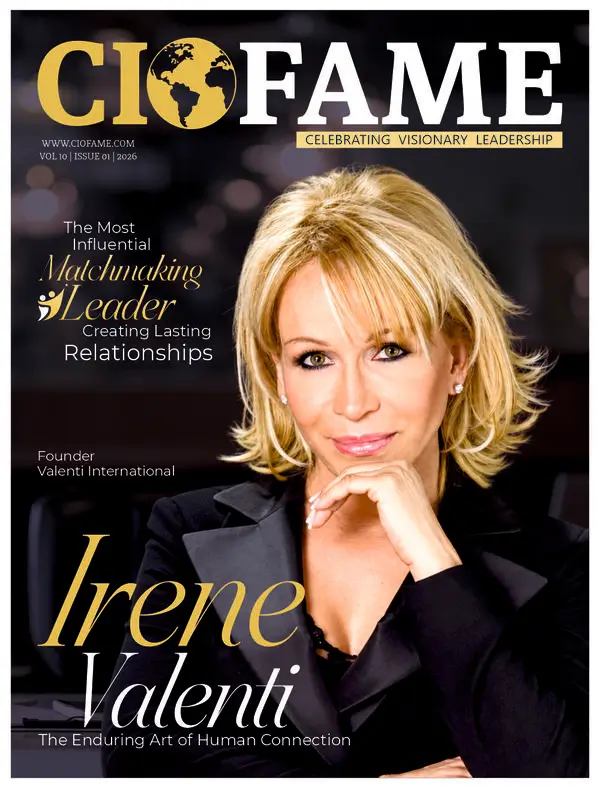
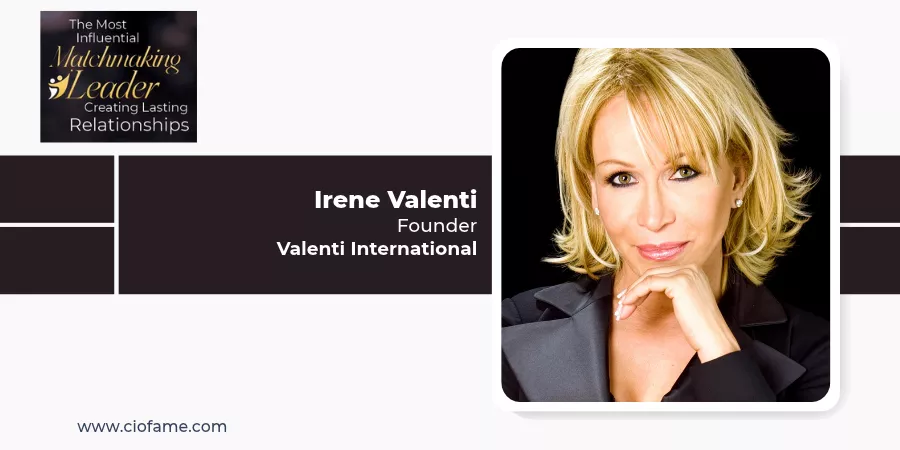
Matchmaking is the practice of having a person, rather than an algorithm alone, help you find a partner. The tradition is ancient and global. Family matchmakers, community elders and professional go-betweens have played this role for centuries in many cultures, from the shidduch in Jewish communities to the rishta in South Asia and the village matchmakers of East Asia.
Modern professional matchmakers typically interview clients, learn about their values, goals and history, and introduce them to suitable people from a private network or through their own search. Some also coach clients on dating habits and feedback. A dating app, by contrast, hands you a large pool and leaves the sorting to you.
One commentary in the industry makes a useful distinction: apps tend to measure success by engagement, such as swipes and messages, while matchmakers claim to measure it by outcomes, such as relationships and commitment. That is a promotional point, and it should be tested, but it highlights a real difference in incentives.
Why is Interest in Matchmaking Growing?
Largely because of weariness with apps. A Forbes Health survey reported in mid-2025 that 78 per cent of dating app users experience some degree of burnout, with younger users reporting the highest rates. Another report, citing local research in Chicago, put burnout at 80 per cent of women and 74 per cent of men, while noting that only about one in ten partnered people said they had met their partner on an app. Reports also describe stronger demand for in-person matchmaking, and say that large dating companies such as Match.com and eHarmony have launched personal matchmaking services that charge several thousand dollars.
A word of caution about sources. Much of the available data comes from matchmaking companies and their public relations material. For example, one company’s survey of 1,000 US singles found that 73 per cent of app users feel they are shopping for people, and that 41 per cent would trust a human matchmaker over an app algorithm. These are opinions gathered by a business that sells matchmaking, so they are worth noting but not treating as independent proof.
It is also worth noting that this fatigue has not killed hope. The Match Group’s Singles in America study found that 76 per cent of US singles in 2026 believe romantic love can last forever, up from 73 per cent the year before. Many people are tired of the method, not of the idea of love.
How Might Matchmaking Restore Meaning?
- It slows things down. Being introduced to a few well-considered people feels different from scrolling through hundreds. The reduced volume can encourage people to give each meeting proper attention.
- It prompts reflection. A good matchmaker asks questions many people have never answered clearly: What do you value? What patterns repeat in your relationships? What are you willing to compromise on, and what not? Thinking about these before meeting anyone can make dating more purposeful.
- It adds human judgement. An experienced matchmaker may notice a mismatch of values or life stage that a profile would not reveal, or see compatibility that a checklist would miss.
- It filters for seriousness. Introductions through a matchmaker usually involve people who have invested time and money in finding a relationship, which can reduce time-wasting and mixed signals.
- It provides accountability and feedback. Some matchmakers give candid advice after dates, such as pointing out habits that may be undermining connections. That can be uncomfortable and valuable.
- It brings social context. Introductions through trusted intermediaries often carry more background and some accountability, which can help people feel safer and more willing to be open.
What Are the Limits and Risks?
- No guarantee. Compatibility is hard to predict. Psychologists reviewing online dating, including a well-known 2012 critical analysis by Eli Finkel and colleagues, have argued that claims about scientific matching algorithms are not well supported by evidence. Human matchmakers are also fallible, and chemistry cannot be arranged.
- Professional services can run to thousands of dollars, which puts them out of reach for many people. Paying a fee also does not buy a partner.
- Variable quality. Anyone can call themselves a matchmaker. Some are experienced and ethical, while others run thin databases, make inflated promises or push expensive packages. Ask about their track record, how they find matches, how many clients they have and what happens if no suitable introductions are made. Check reviews and contracts carefully, understand refund terms and be wary of pressure to sign quickly.
- You will share intimate details. Ask how data are stored and used, and who sees your information.
- Scams and exploitation. Romance fraud is widespread. Be cautious of anyone who requests money, hurries you towards commitment or avoids verifiable details.
- Cultural pressure. In some communities, matchmaking can carry family expectations. Free and informed consent is essential, and no one should be forced into a relationship or marriage.
- Unrealistic expectations. Being “curated” can lead people to expect perfection. Real relationships involve differences and effort.
What Still Depends on You?
A great introduction is only a beginning. Whether a relationship has meaning depends on honesty, kindness, shared values, willingness to grow and the ability to handle conflict. Matchmakers can open doors. Two people have to walk through them and keep doing the work.
It also helps to be clear about what you want. Think about your values, deal-breakers, communication style and readiness. Work on your own wellbeing, because a person who is stable and self-aware tends to build healthier relationships, however they meet.
Are There Alternatives?
Yes. Matchmaking is one option among many. Others include introductions through friends and family, hobby groups, volunteering, community events, workplace networks and more mindful use of apps, such as setting limits, writing honest profiles and meeting sooner. Some people combine methods.
Conclusion
Matchmaking can bring something valuable back to modern romance: attention, context and the sense that someone is taking your hopes seriously. It is not a cure for loneliness, and it cannot replace the slow work of knowing and trusting another person. Used wisely, with clear expectations and a trustworthy professional, it may help people approach dating with more purpose. Meaning, in the end, is not delivered by an introduction. It is built, one honest conversation at a time.